An orangery and a conservatory both add bright living space to your home, but they are not the same. The main differences are the roof, the walls and how the space feels all year round. This guide explains each so you can choose the one that fits your home and budget.
[confirm: AB Glazing offers orangeries. If not, edit the text to focus on conservatories and roof lanterns.]
Orangery vs conservatory at a glance
| Feature | Conservatory | Orangery |
|---|---|---|
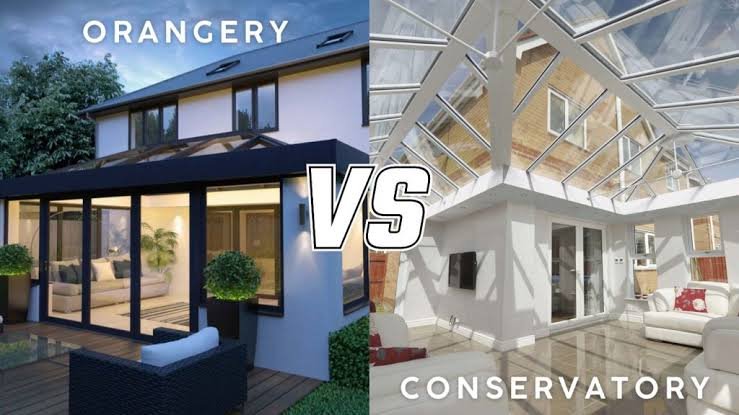
| Roof | Mostly glass or polycarbonate | Part solid roof with a glass roof lantern |
| Walls | Mostly glazed, on a low base wall | Brick or masonry pillars with large windows |
| Light | Maximum natural light | Good light, more balanced |
| Temperature | Can feel hot in summer, cool in winter without good glazing | More stable, feels like part of the house |
| Look | Light and modern or traditional | Elegant, built-in feel |
| Cost | Usually lower | Usually higher |
| Best for | Bright garden room on a budget | A permanent, high-end extension |
What is a conservatory?
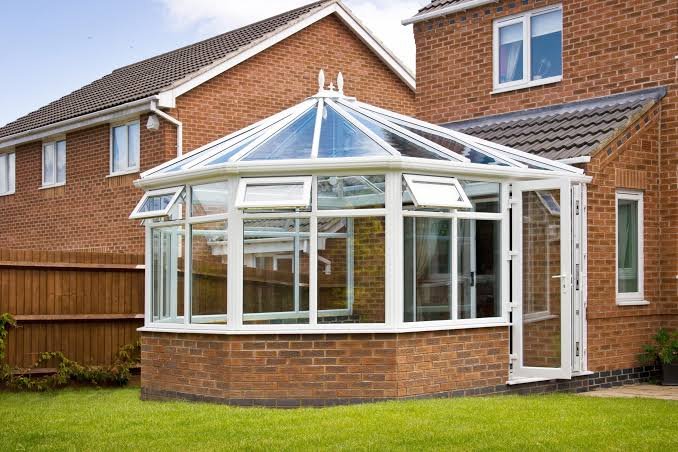
A conservatory is a glazed extension with a largely glass or polycarbonate roof and mostly glazed walls. It floods the space with light and gives a strong connection to the garden. Modern conservatories use high-performance glass and insulated frames, so they are far more comfortable than older designs.
What is an orangery?
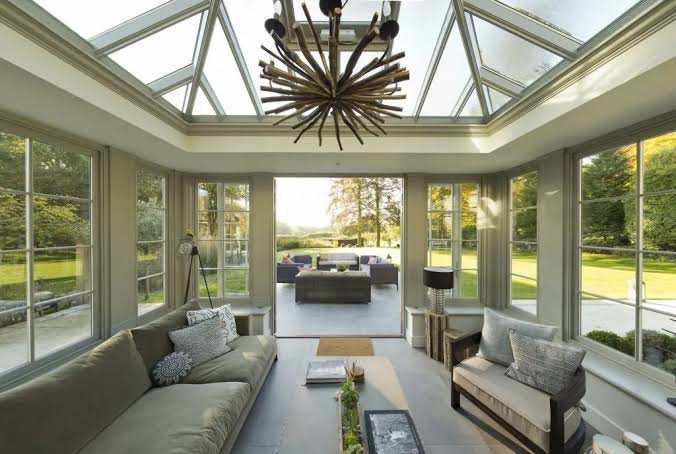
An orangery is a mix of a conservatory and a traditional extension. It has a solid, insulated roof with a central glass roof lantern, and brick or masonry pillars between large windows or doors. The result feels like a proper room of the house, with more privacy and better temperature control.
Roof and light
A conservatory has more glass, so it has more light, but it can overheat in summer and lose heat in winter unless it has solar control glass and good insulation. An orangery’s solid roof and lantern give plenty of daylight with better control of heat. See our aluminium roof lanterns.
Warmth and comfort
Because of its solid roof and wall sections, an orangery usually feels warmer in winter and cooler in summer, so it can be used all year as a kitchen, dining room or living space. A well-specified conservatory can also be comfortable, but the glass and insulation need careful choice.
Style
Orangeries suit period and brick homes, and give a solid, architectural look. Conservatories suit most homes and give a lighter, more open appearance. Both can be made in uPVC or aluminium, with many colour options.
Cost
Orangeries generally cost more than conservatories because of the additional building work, insulated roof and lantern. The price depends on size, design, materials and glass. A free quote for both options is the best way to compare.
Planning permission and building regulations
Both are usually treated as single-storey extensions, so many can be built without planning permission if they meet the permitted development limits, but orangeries are more likely to need building regulations approval because they often connect directly to the house. Read our guide: do you need planning permission for a conservatory? Always check with your local council.
Which should you choose?
Choose a conservatory if:
- You want maximum light and a connection to the garden
- You have a smaller budget
- You want a garden room, dining area or play space
Choose an orangery if:
- You want a permanent, high-quality extension that feels part of the house
- You want to use the space all year round
- Your home has brick, period or traditional features
Frequently asked questions
Is an orangery more expensive than a conservatory?
Usually yes, because of the extra building work, insulated roof and lantern.
Is an orangery warmer than a conservatory?
Often yes, because of the solid roof and masonry sections, which insulate better than large areas of glass.
Can I use an orangery as a kitchen?
Yes, many people do. Make sure the design, heating and ventilation suit the use, and check building regulations.
Do I need planning permission for an orangery?
It depends on the size, design and location. Many fall under permitted development, but not all. Ask your council.
Get a free quote
Not sure which suits your home? Request a free quote or call 07859 934781.